
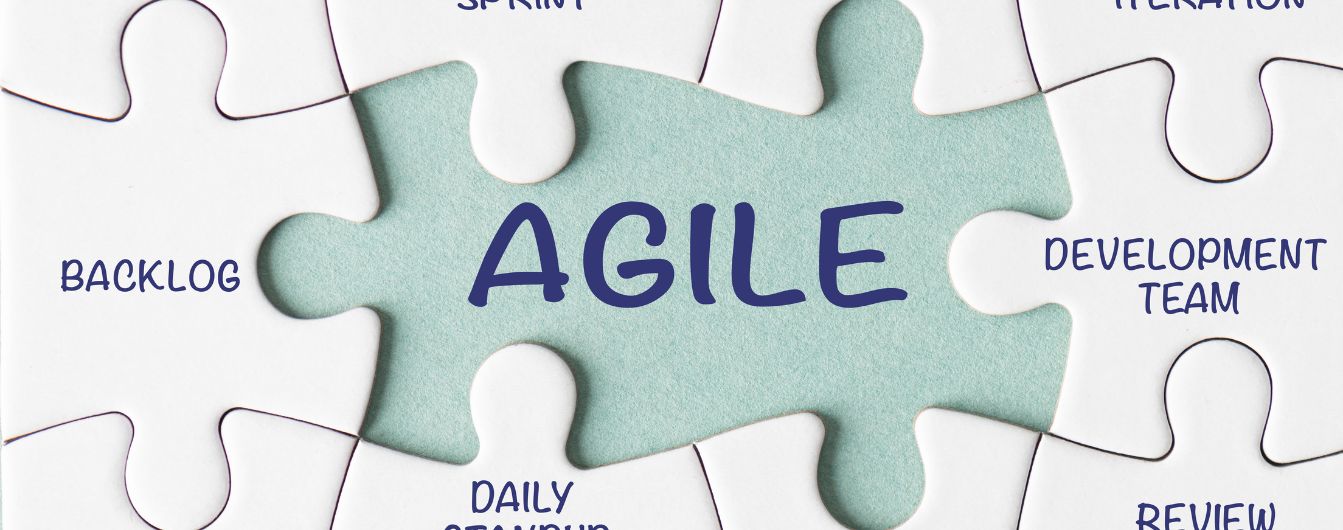
Agile methodologies were a cornerstone of custom app development, offering a flexible and efficient framework for delivering high-quality applications. Agile's iterative approach to development and its focus on collaboration, continuous feedback, and adaptability made it a popular choice for organizations looking to create custom software that could evolve based on real-time needs. For companies like GenXCoders, agile methodologies provided the structure necessary to manage complex app development projects while maintaining a high level of innovation and client satisfaction.
At the heart of agile development is the principle of iterative development, which emphasizes the creation of working software through short, frequent cycles called sprints. This approach contrasts sharply with the traditional waterfall model, where the entire development process is mapped out in a linear sequence. In agile, the project is broken down into smaller increments that are completed in short timeframes, typically two to four weeks. Each sprint delivers a functional version of the software, allowing for early testing, feedback, and revisions.
The advantage of this iterative approach is that it enables developers to respond quickly to changing requirements, whether due to shifts in the business environment, client feedback, or unforeseen technical challenges. In 2021, the unpredictability of market conditions, fueled by rapid technological advances and evolving consumer behaviors, made agile's flexibility even more valuable. Custom app development teams could pivot and adjust their development priorities mid-project without derailing the entire timeline, allowing them to stay competitive and responsive to client needs.
For organizations like GenXCoders, adopting agile methodologies meant prioritizing client collaboration and continuous feedback loops. In custom app development, it is crucial to keep the client involved at every stage of the project. Agile encourages regular check-ins, sprint reviews, and demonstrations of completed work, giving clients the opportunity to review progress, provide feedback, and suggest changes as the project evolves. This constant collaboration ensures that the final product aligns closely with the client's vision and business goals, minimizing the risk of misalignment that can occur in traditional project management approaches.
Moreover, agile project management frameworks such as Scrum and Kanban were widely used in 2021 to streamline app development processes. Scrum, in particular, focuses on organizing work in time-boxed iterations called sprints and relies on roles like the Scrum Master and Product Owner to ensure the development team stays aligned with the project’s objectives. The Product Owner represents the client’s interests and ensures that the highest-priority features are addressed first, while the Scrum Master helps the team stay focused and remove any obstacles that may hinder progress.
Scrum also emphasizes daily stand-up meetings, where team members discuss what they accomplished the previous day, what they plan to do next, and any challenges they are facing. These brief but focused meetings help maintain transparency across the team and ensure that everyone is on the same page. In the context of custom app development, this structure is highly beneficial as it promotes accountability and quick problem-solving, ensuring that potential issues are identified and addressed before they impact the overall project timeline.
Another agile practice that gained traction in 2021 was continuous integration and continuous delivery (CI/CD). This approach involves the automation of testing and deployment processes to ensure that code changes are integrated into the main codebase frequently and that updates are deployed to production rapidly. By automating these processes, development teams can reduce the risk of bugs, accelerate the time to market, and ensure that the app remains functional and up-to-date throughout its development cycle. For custom app development projects, CI/CD pipelines allow for seamless updates, meaning new features and improvements can be added without significant downtime or disruption.
Agile methodologies also emphasize cross-functional teams, where developers, designers, testers, and other stakeholders work closely together to achieve project goals. In the context of custom app development, this collaborative approach is essential because it brings diverse perspectives and skill sets into the decision-making process. Designers can provide input on user experience, while testers ensure that the software functions correctly before it reaches the client. This holistic view reduces the chances of issues slipping through the cracks and ensures a smoother development process.
One of the challenges that organizations faced with agile in 2021 was maintaining clear communication and collaboration, especially with remote or distributed teams, a trend that was accelerated by the global pandemic. However, agile methodologies proved to be adaptable in this context as well. With the help of digital collaboration tools like Jira, Trello, and Slack, teams could continue to work together efficiently, even when physically separated. These tools allowed teams to track progress, manage backlogs, and communicate in real time, ensuring that agile principles could still be followed even in a remote work environment.
Despite its numerous benefits, agile methodologies are not without challenges. One of the key difficulties in custom app development projects is managing scope creep, where additional features or changes are requested during the development process. While agile encourages flexibility, there is always a risk that continuous client input could lead to project delays or increased costs. To mitigate this, agile teams must strike a balance between accommodating new requests and maintaining focus on the core project objectives. Clear communication with the client, a well-managed product backlog, and prioritization of key features are essential in keeping the project on track.
For businesses like GenXCoders, overcoming these challenges requires strong leadership and an experienced agile team that can navigate the complexities of custom app development. The success of an agile project hinges on the team's ability to remain organized, focused, and adaptable while consistently delivering value to the client. By adhering to agile best practices, development teams can ensure that their custom app projects remain on schedule, within budget, and aligned with client expectations.
In conclusion, agile methodologies played a transformative role in custom app development in 2021, offering a flexible and responsive framework that allowed teams to iterate quickly, collaborate closely with clients, and deliver high-quality software efficiently. The iterative development process, combined with agile project management tools like Scrum and CI/CD pipelines, enabled teams to adapt to changing requirements and deliver functional apps that met both business goals and user needs. For companies like GenXCoders, agile methodologies were essential in ensuring the success of custom app development projects, driving innovation and maintaining client satisfaction throughout the process. As the demand for custom apps continues to grow, agile will remain a key approach in enabling teams to build and refine software in an increasingly dynamic technological landscape.
Explore by Expertise
Latest Knowledge Nexuses

Ditch the Instagram Boost Post Button in 2025: Smarter, Fresher Strategies for Real Leads and Sales
Feb 18, 2025

Generative AI: The Future of Innovation for Businesses in 2025 and Beyond
Feb 01, 2025

Transform Your Business with a Winning Digitization Strategy
Jan 16, 2025

ERP Trends for 2025: How Custom Solutions Are Changing the Game
Jan 01, 2025

GXCPL’s Contribution to Cyber Security Education: CTO Aashish Handa Recognized as ATAL FDP Speaker
Dec 17, 2024
Archives
