
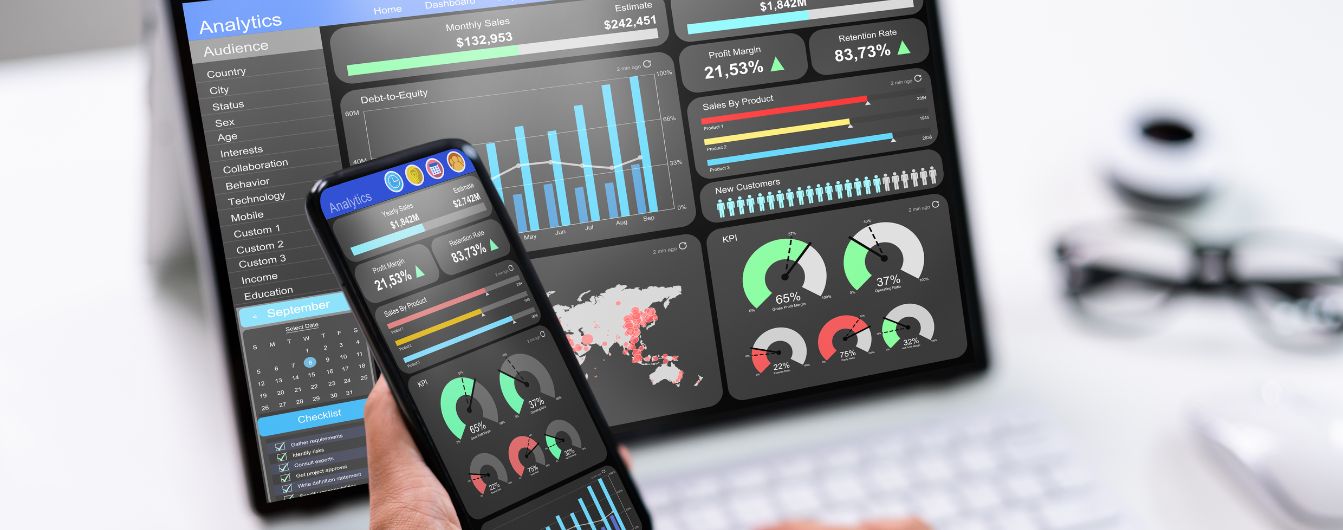
The business landscape is more complex than ever, with an overwhelming amount of data generated daily. The ability to effectively leverage this data is crucial for organizations aiming to stay competitive. Data analytics has emerged as a powerful tool that enables businesses to transform raw data into actionable insights, ultimately enhancing decision making processes.
At its core, data analytics refers to the systematic computational analysis of data to uncover patterns, trends, and correlations. This practice is essential for organizations seeking to make informed decisions that drive growth and innovation. By utilizing advanced analytics tools, businesses can analyze vast datasets to derive meaningful insights that inform their strategies.
One of the primary benefits of data analytics is its ability to enhance business intelligence. Traditional decision-making processes often rely on intuition or historical data without considering the latest trends or customer behaviors. However, with the integration of analytics, businesses can harness real-time data to understand market dynamics better. This shift enables organizations to make proactive rather than reactive decisions, leading to improved outcomes.
For instance, companies can utilize data analytics to identify customer preferences and purchasing behavior. By analyzing transaction data, businesses can segment their customer base and tailor their offerings accordingly. This personalized approach not only enhances customer satisfaction but also drives sales and improves brand loyalty. Organizations that prioritize business intelligence through data analytics can position themselves ahead of competitors who rely solely on conventional decision-making methods.
Moreover, data analytics plays a vital role in risk management. In an era of uncertainty, businesses must navigate various risks, from market volatility to operational challenges. By leveraging analytical tools, organizations can assess potential risks and develop strategies to mitigate them. Predictive analytics, in particular, allows businesses to forecast future trends based on historical data, enabling them to make informed decisions that safeguard their interests.
The integration of data analytics into decision-making processes also fosters a culture of accountability within organizations. When data-driven insights guide decisions, teams are more likely to align their actions with the overarching business strategy. This alignment promotes transparency and encourages employees to take ownership of their roles, ultimately leading to improved performance.
In 2023, the adoption of analytics tools is more accessible than ever, thanks to advancements in technology. Many cloud-based platforms offer robust analytics capabilities that allow businesses of all sizes to harness the power of data without significant upfront investments. These tools can integrate seamlessly with existing systems, providing real-time insights that inform decision making across departments.
At GenXCoders, we emphasize the importance of utilizing data analytics to drive business intelligence and informed decision making. Our expertise in developing tailored analytics solutions empowers organizations to extract valuable insights from their data. By implementing analytics best practices, businesses can enhance their operational efficiency and make strategic decisions that support long-term growth.
Additionally, the role of data visualization cannot be overlooked. Presenting complex data in an easily digestible format allows decision-makers to grasp insights quickly and make informed choices. Visual analytics tools enable businesses to create interactive dashboards that showcase key performance metrics, facilitating quicker and more effective decision making.
In the realm of marketing, data analytics has revolutionized how businesses understand their audience. Companies can track the effectiveness of their campaigns in real time, enabling them to pivot strategies as needed. This agility is essential in today’s fast-paced market, where consumer preferences can shift rapidly. By leveraging business intelligence, organizations can ensure that their marketing efforts resonate with their target audience, ultimately driving better results.
As organizations increasingly rely on data-driven strategies, the demand for professionals skilled in data analytics is on the rise. Companies are investing in training and development programs to equip their teams with the necessary skills to analyze and interpret data effectively. This investment not only enhances the capabilities of the workforce but also positions the organization for long-term success in a data-centric world.
Ultimately, the importance of data analytics in business decision making cannot be overstated. Organizations that prioritize data-driven strategies are better equipped to navigate challenges and capitalize on opportunities. By embracing business intelligence tools and fostering a data-driven culture, businesses can make informed decisions that lead to sustainable growth and success.
In conclusion, as we move further into 2023, the landscape of decision making will continue to evolve. Embracing data analytics will be essential for organizations seeking to remain competitive and relevant. At GenXCoders, we are committed to helping businesses harness the power of data to drive informed decisions and achieve their strategic objectives. By leveraging data analytics, organizations can not only improve their operational efficiency but also create value for their customers and stakeholders.
Explore by Expertise
Latest Knowledge Nexuses

Ditch the Instagram Boost Post Button in 2025: Smarter, Fresher Strategies for Real Leads and Sales
Feb 18, 2025

Generative AI: The Future of Innovation for Businesses in 2025 and Beyond
Feb 01, 2025

Transform Your Business with a Winning Digitization Strategy
Jan 16, 2025

ERP Trends for 2025: How Custom Solutions Are Changing the Game
Jan 01, 2025

GXCPL’s Contribution to Cyber Security Education: CTO Aashish Handa Recognized as ATAL FDP Speaker
Dec 17, 2024
Archives
